Where Does Mānuka Honey Come From?
Where Does Mānuka Honey Come From?
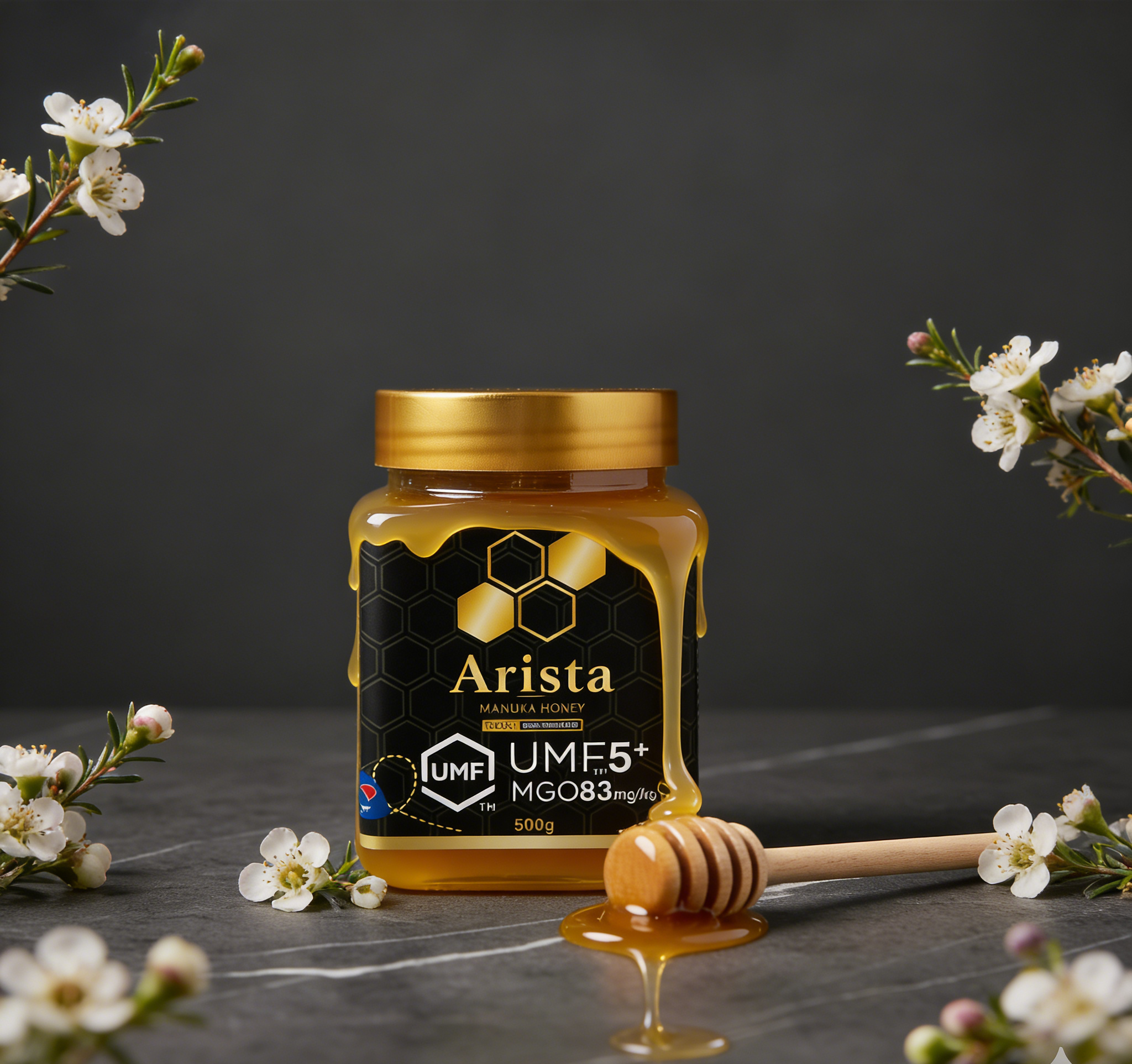
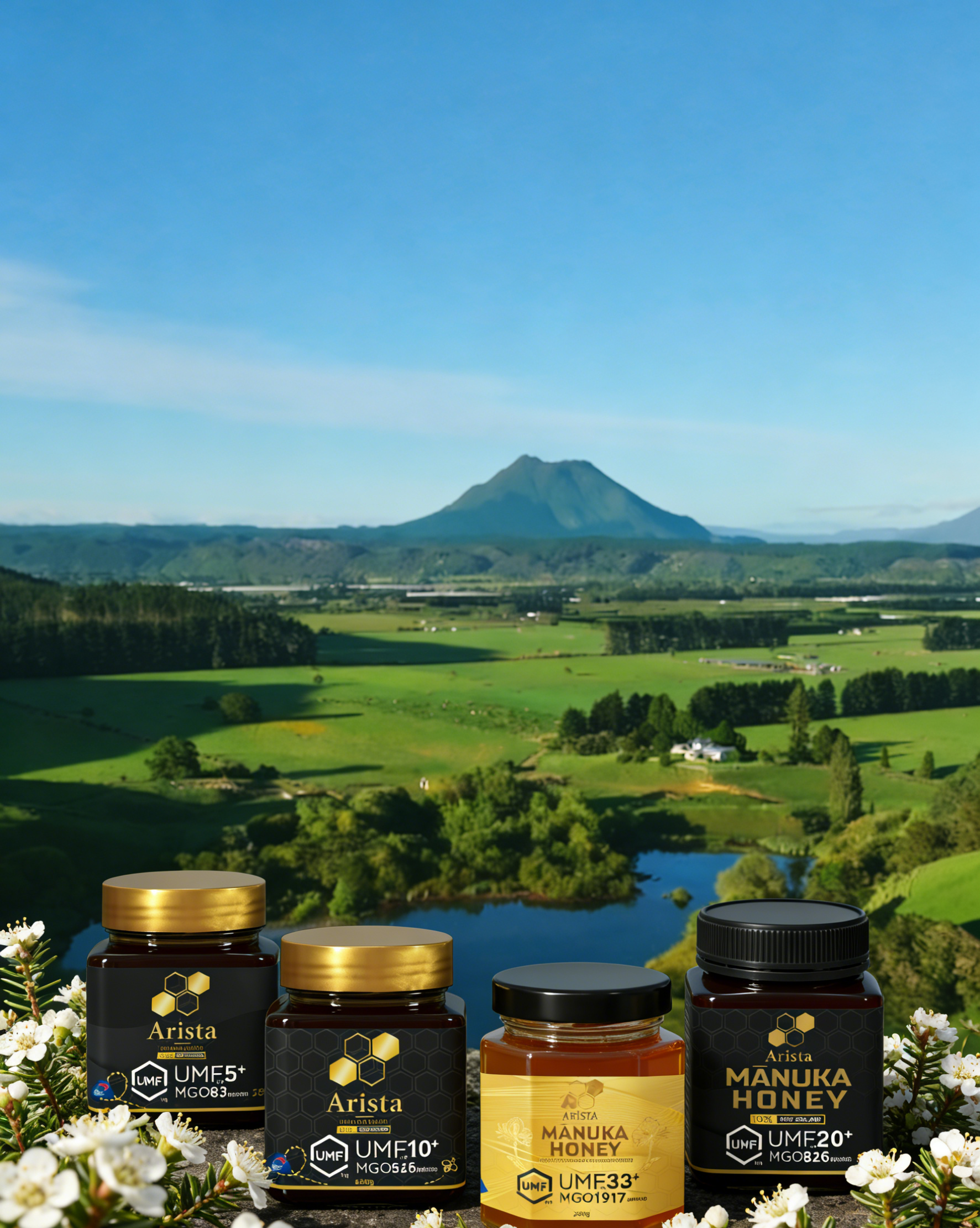
Genuine Mānuka honey is uniquely produced in New Zealand, from the nectar of the native Leptpermum scoparium, commonly known as the Mānuka bush. This special plant thrives in some of the country’s most untouched landscapes, including coastal plateaus, rolling countryside, and remote mountain valleys. These wild, unpolluted environments are what give authentic Mānuka honey its distinct properties and pure, natural character.
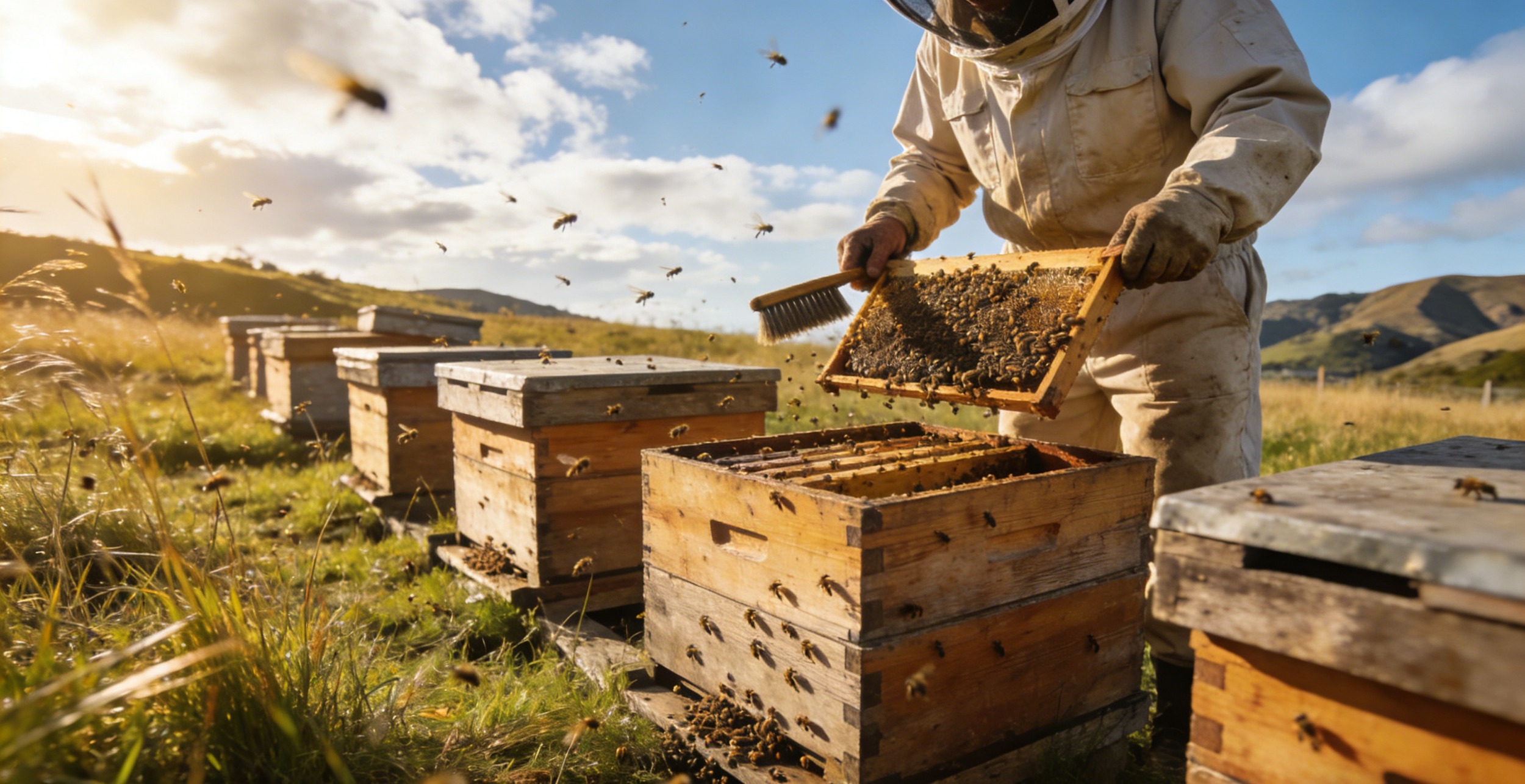
The Mānuka bush has a short flowering season each year, making its nectar both rare and precious. To capture this genuine nectar, beehives must be placed in remote, natural locations—often far from urban or agricultural areas. This careful, considered sourcing is essential to producing true New Zealand Mānuka honey.
At Parakai Honey
we honour this tradition. Our beehives are situated in the clean, native landscapes of New Zealand, where bees can forage freely on wild Mānuka bushes. Every jar of our Mānuka honey is made, processed, and packaged right here in New Zealand, supporting local beekeeping and ensuring authenticity from hive to jar.
In short, real Mānuka honey cannot come from anywhere else in the world. Its origin, quality, and identity are inseparable from the land and environment of New Zealand.