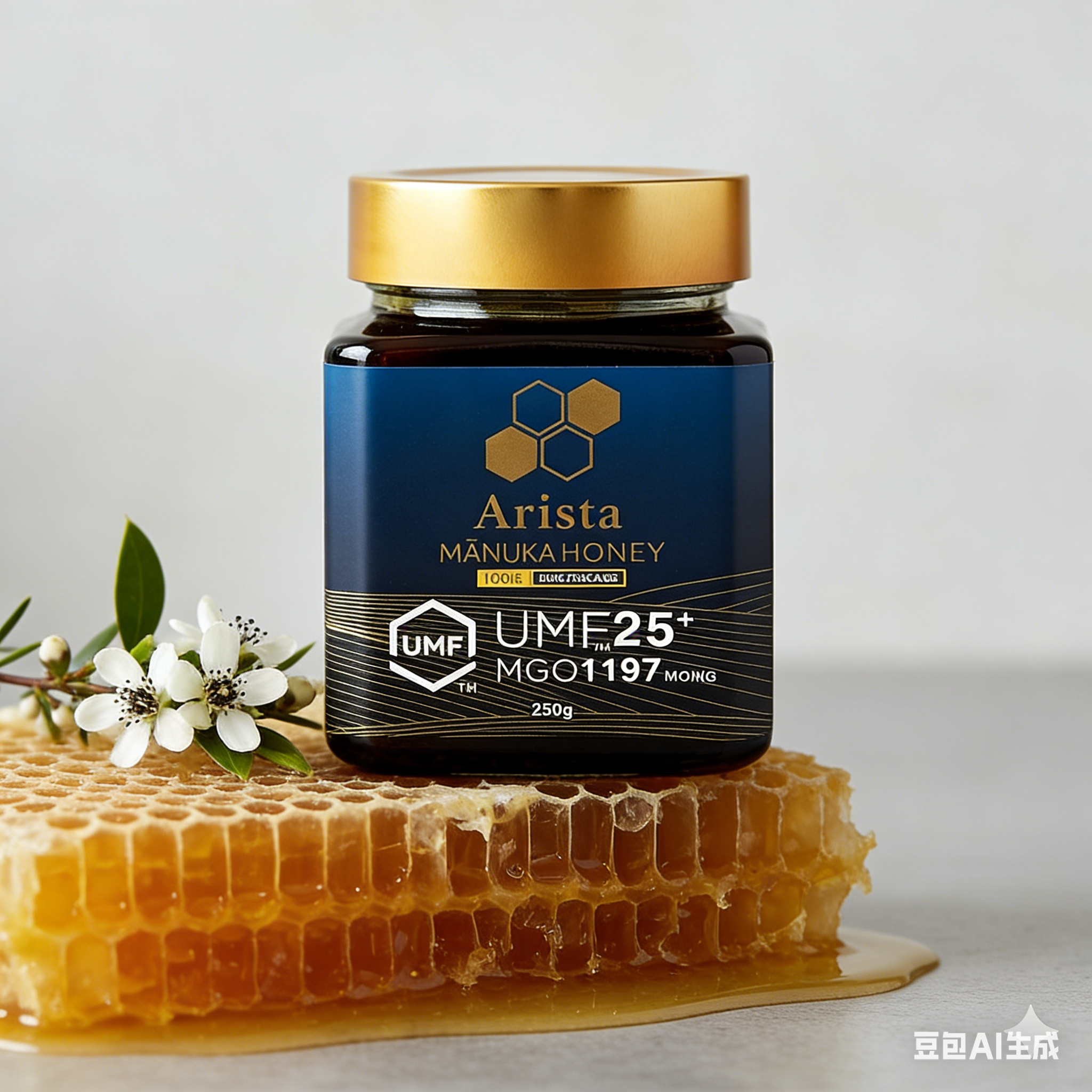
How Mānuka Honey Is Made: From Flower to Jar
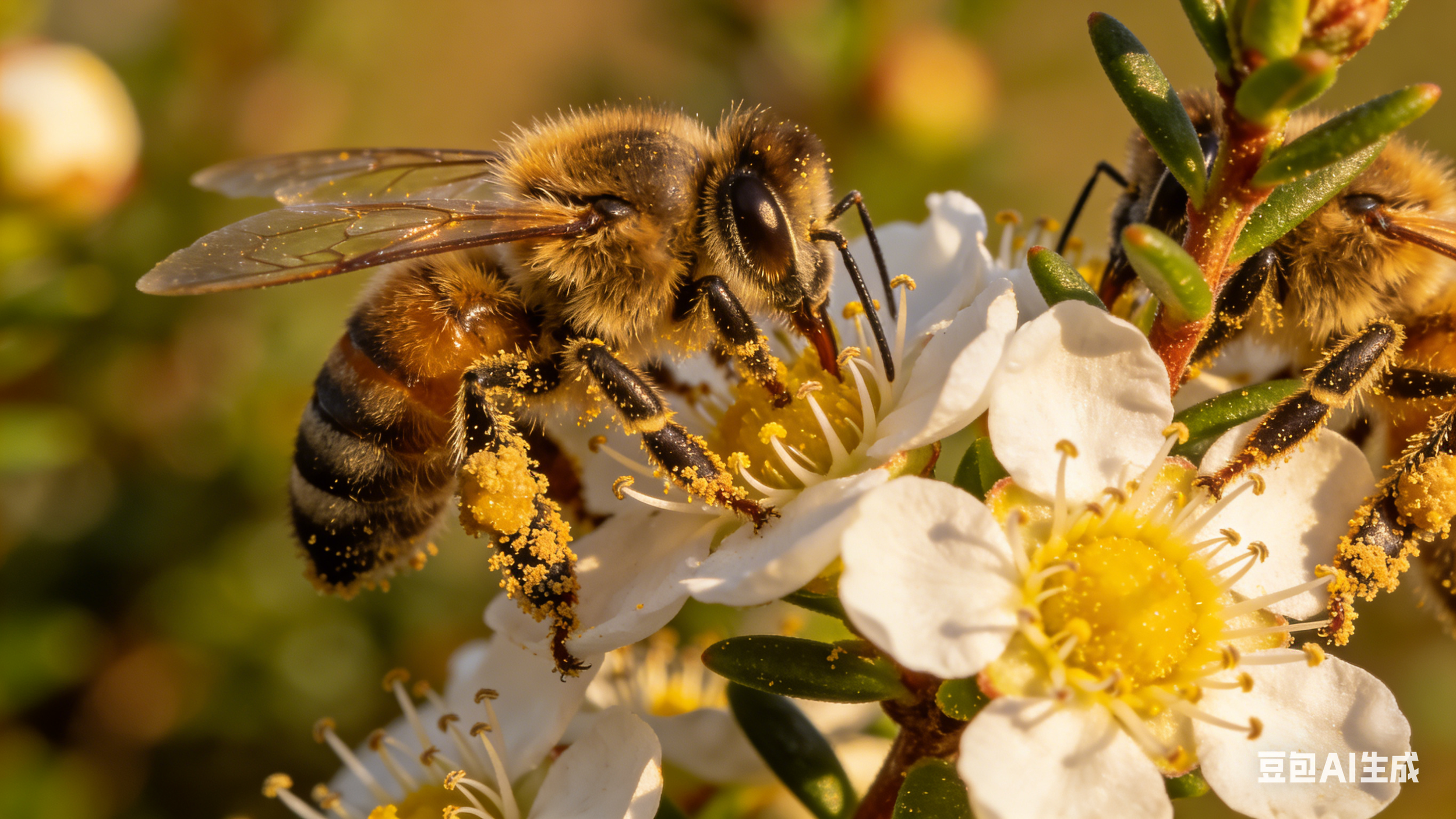
Authentic Mānuka honey is a product of nature’s ingenuity and careful beekeeping stewardship, with its creation rooted in New Zealand’s wild landscapes and the unique work of honey bees. The process is a gentle, minimal-intervention journey that preserves the honey’s natural potency and distinctive properties—from the Mānuka flower to the final jar.
The journey starts when honey bees forage on the nectar of New Zealand’s native Leptospermum scoparium (Mānuka bush), which blooms for only a few short weeks each year. Bees carry this precious nectar back to the hive, where the transformation begins: they regurgitate and fan the nectar relentlessly to evaporate excess moisture, reducing its water content from around 80% to just 20% or less. Once the honey reaches the perfect consistency, bees seal the honeycomb cells with beeswax, naturally preserving the honey’s freshness and active compounds with no artificial additives.
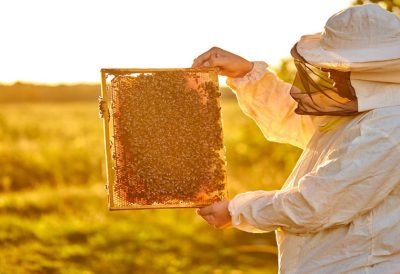
Human involvement is limited to thoughtful stewardship, not alteration. Beekeepers place hives in remote, Mānuka-dense regions to ensure unobstructed access to pure native nectar, protect bee colonies, and monitor hive health. At Parakai Honey, we honour this natural process, harvesting honey only when the comb is full and using gentle methods to avoid disturbing hives or compromising the honey’s integrity.
Post-harvest, the honey undergoes minimal processing—just light straining to remove small hive debris—before rigorous testing and certification. Upholding our MPI-registered Risk Management Programme and UMF™ certification, we skip harsh heating or additives, ensuring every jar retains the natural flavour, active MGO, and purity that defines genuine New Zealand Mānuka honey.
From the fleeting Mānuka bloom to the bees’ tireless work, and our careful harvesting and quality checks, every step honours nature. For Parakai Honey, this is more than a process—it’s our commitment to bringing pure, authentic Mānuka honey from New Zealand’s hives straight to your table.