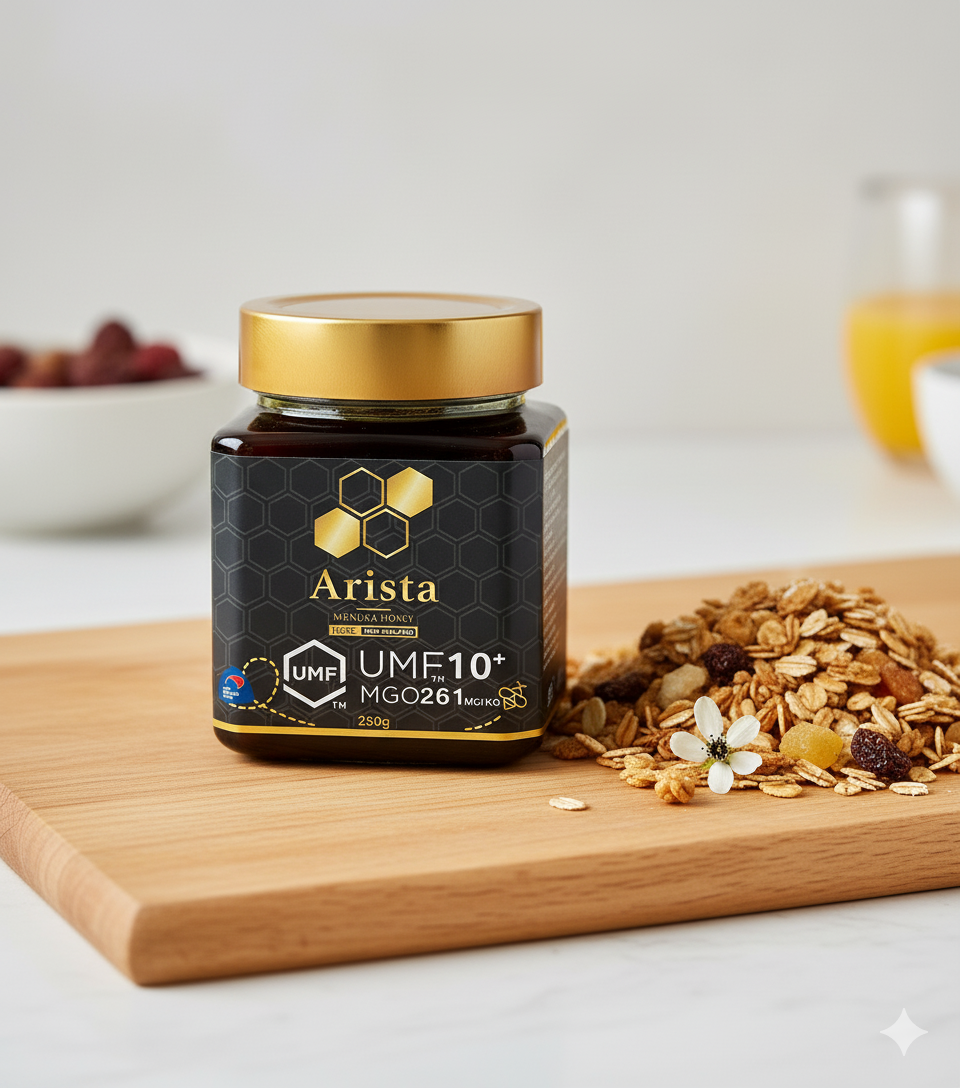
What Is Mānuka Honey? The Definitive Guide to New Zealand’s Unique Super Honey
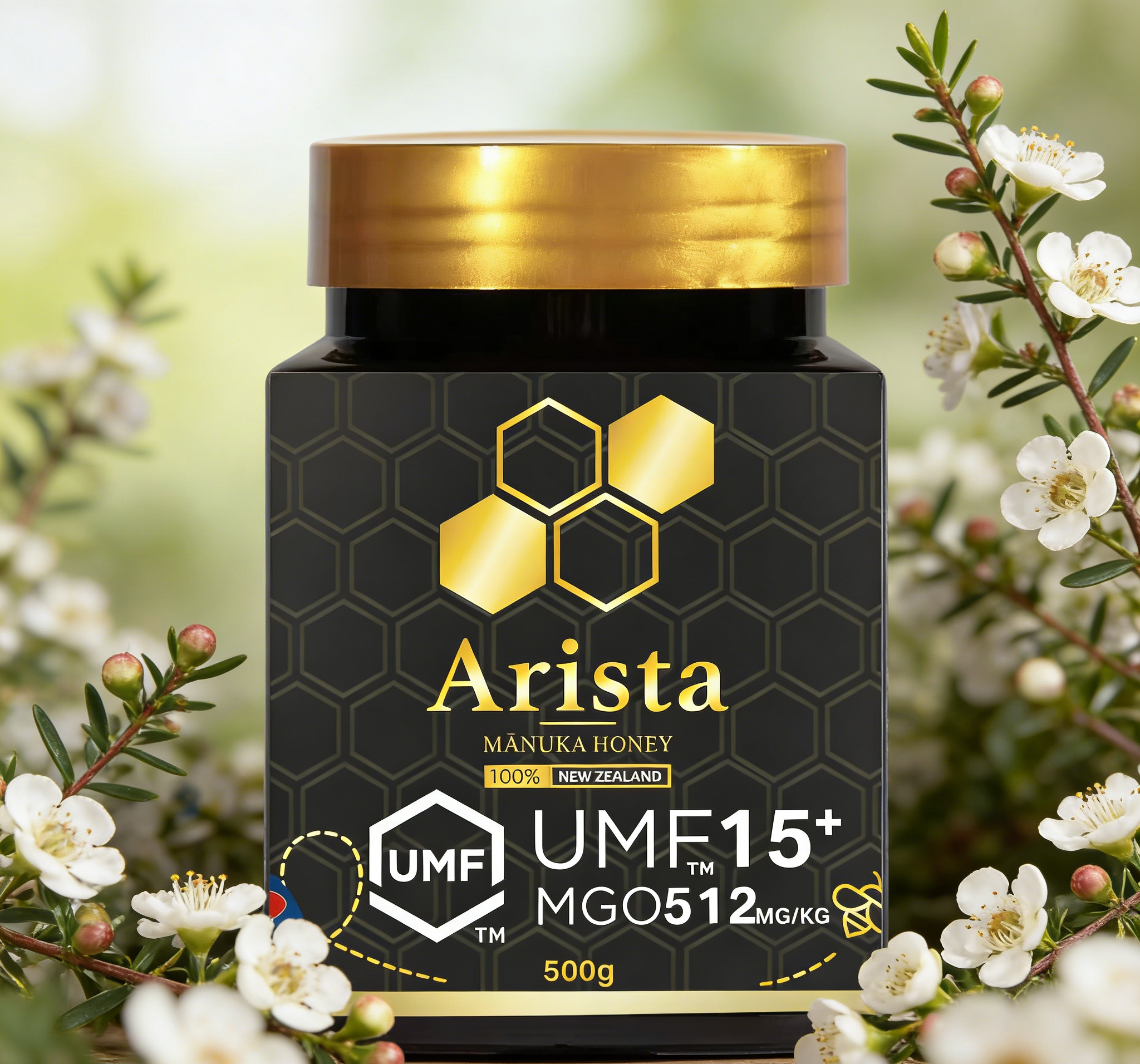
What is Mānuka Honey?
Mānuka Honey is a rare, premium honey exclusive to New Zealand, produced by bees foraging on the nectar of the native Leptospermum scoparium (Mānuka bush)—a plant that thrives in the country’s remote, unspoiled landscapes. Unlike conventional honeys, it is defined by a unique chemical profile, distinctive sensory traits, and rigorous third-party certification, making it one of the world’s most sought-after natural honeys.
Genuine Mānuka Honey stands apart for its high concentration of methylglyoxal (MGO), a natural compound linked to its unique properties, and is verified by the UMF™ (Unique Mānuka Factor) certification system—the global gold standard for New Zealand Mānuka Honey. UMF™ independently tests for four key markers (MGO, DHA, Leptosperin, HMF) to guarantee authenticity, potency, purity, and freshness, ensuring no imitations or blends. New Zealand’s Ministry for Primary Industries (MPI) also enforces a strict scientific definition for exported Mānuka Honey, requiring pollen DNA and chemical fingerprinting to confirm its floral origin.
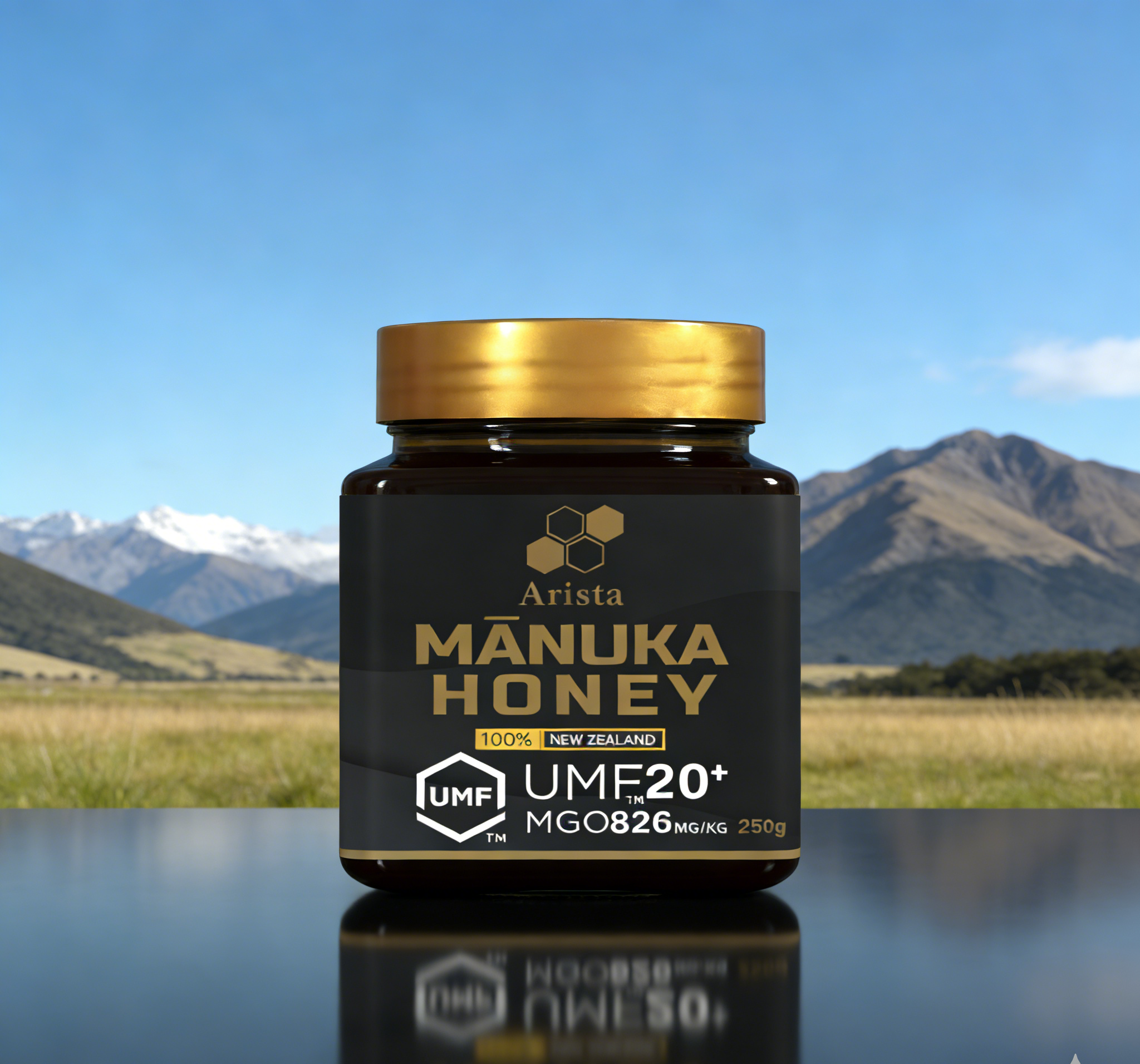
Sensory distinct, Mānuka Honey has a dense, velvety texture and a flavour profile that balances natural sweetness with subtle earthy, herbal notes—no cloying sweetness, with more intense, savoury tones in higher UMF™ grades. It is 100% pure, minimally processed, and free from additives, antibiotics, or preservatives, retaining all its natural goodness from hive to table.
At Parakai Honey
our UMF™-certified Mānuka Honey is proudly 100% New Zealand owned and produced, with certifications including MPI export approval, Halal, and Buy New Zealand Made. Crafted with meticulous care from New Zealand’s remote hives, it embodies the purity, quality, and integrity that make genuine Mānuka Honey a global icon of natural excellence.