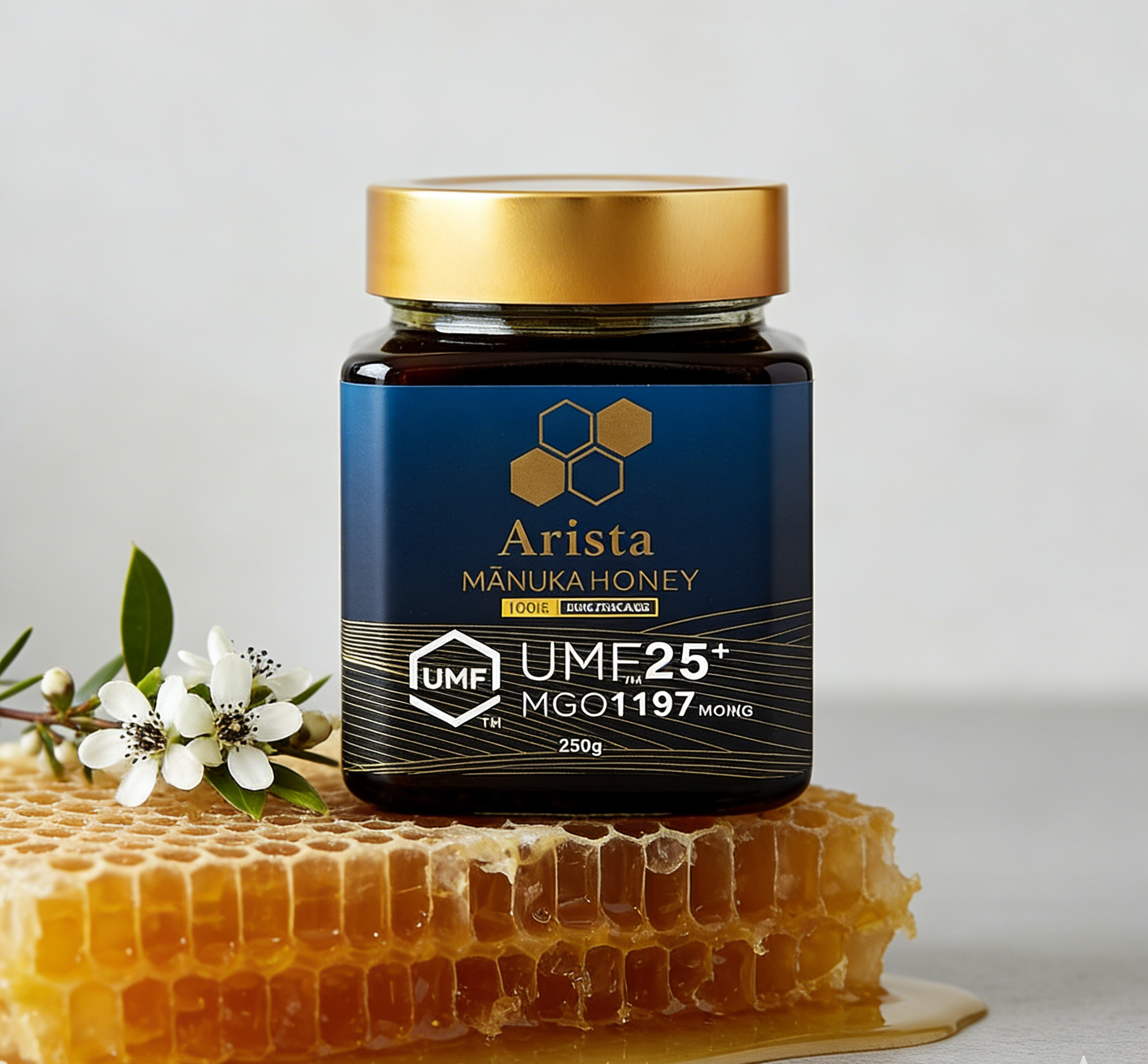
The Importance of the Mānuka Tree to Māori: A Taonga of Culture & Healing
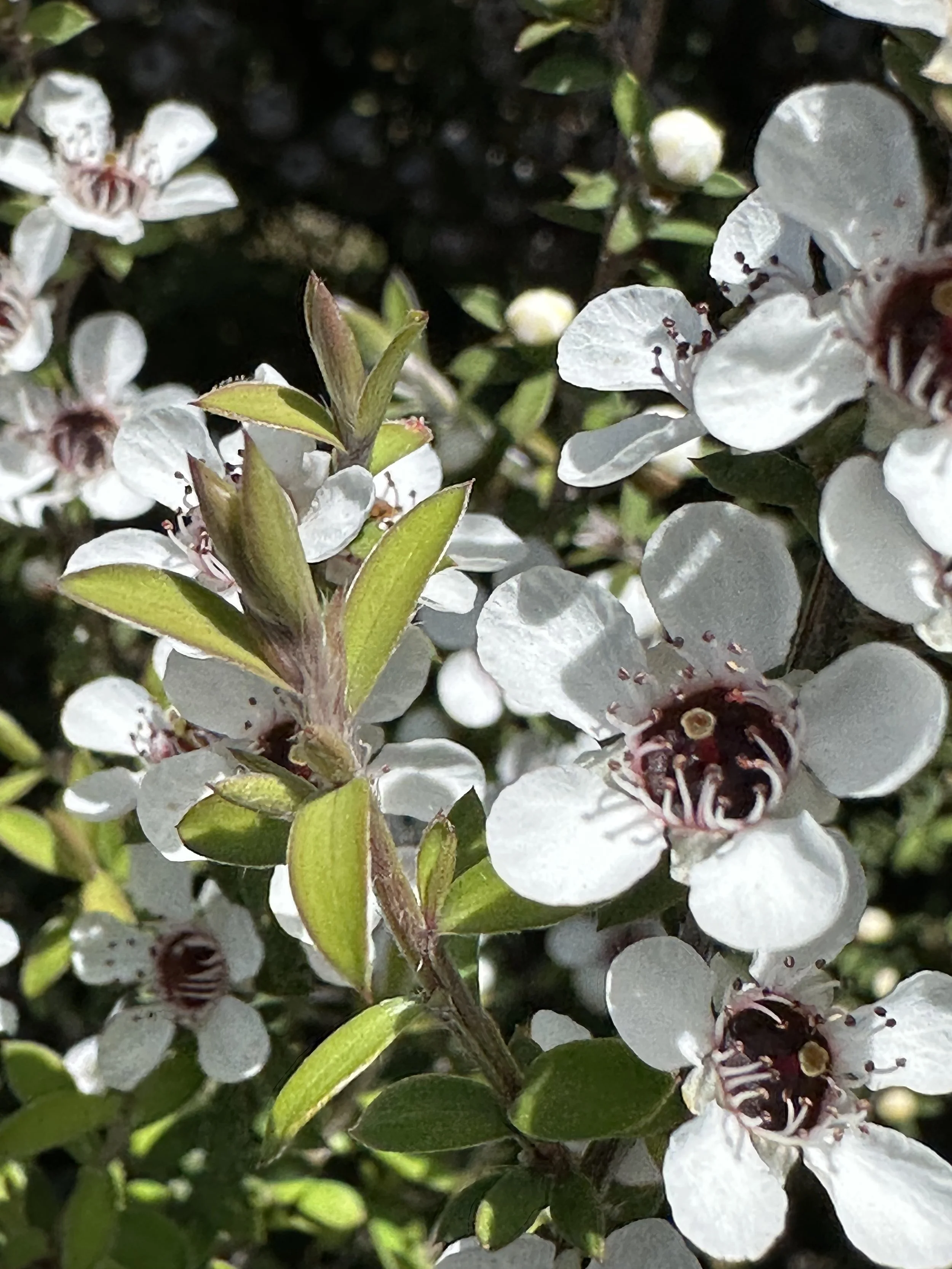
To Māori, the Mānuka tree (Leptospermum scoparium) is far more than a native New Zealand plant—it is a taonga (treasured gift) from the whenua (land), deeply woven into their culture, healing practices, and identity for centuries. While the world recognizes it for Mānuka honey, its true significance lies in its unbreakable bond with Māori life and legacy.
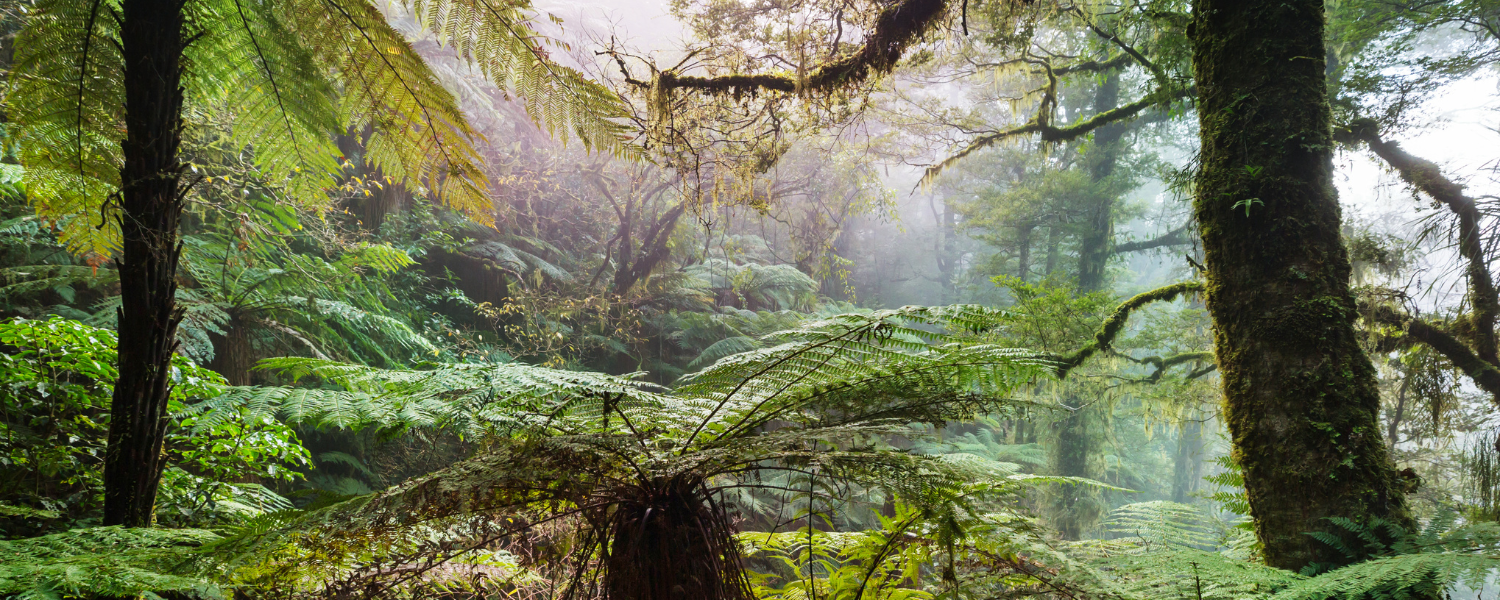
Spiritual & Cultural Roots
In Māori cosmology, Mānuka is a descendant of Tāne Mahuta, the god of the forest, linking the spiritual and physical worlds. It is not just a resource, but a relative—its ability to thrive in harsh conditions mirrors the resilience of Māori communities, symbolizing strength and connection to the land.
Rongoā Māori: Traditional Healing
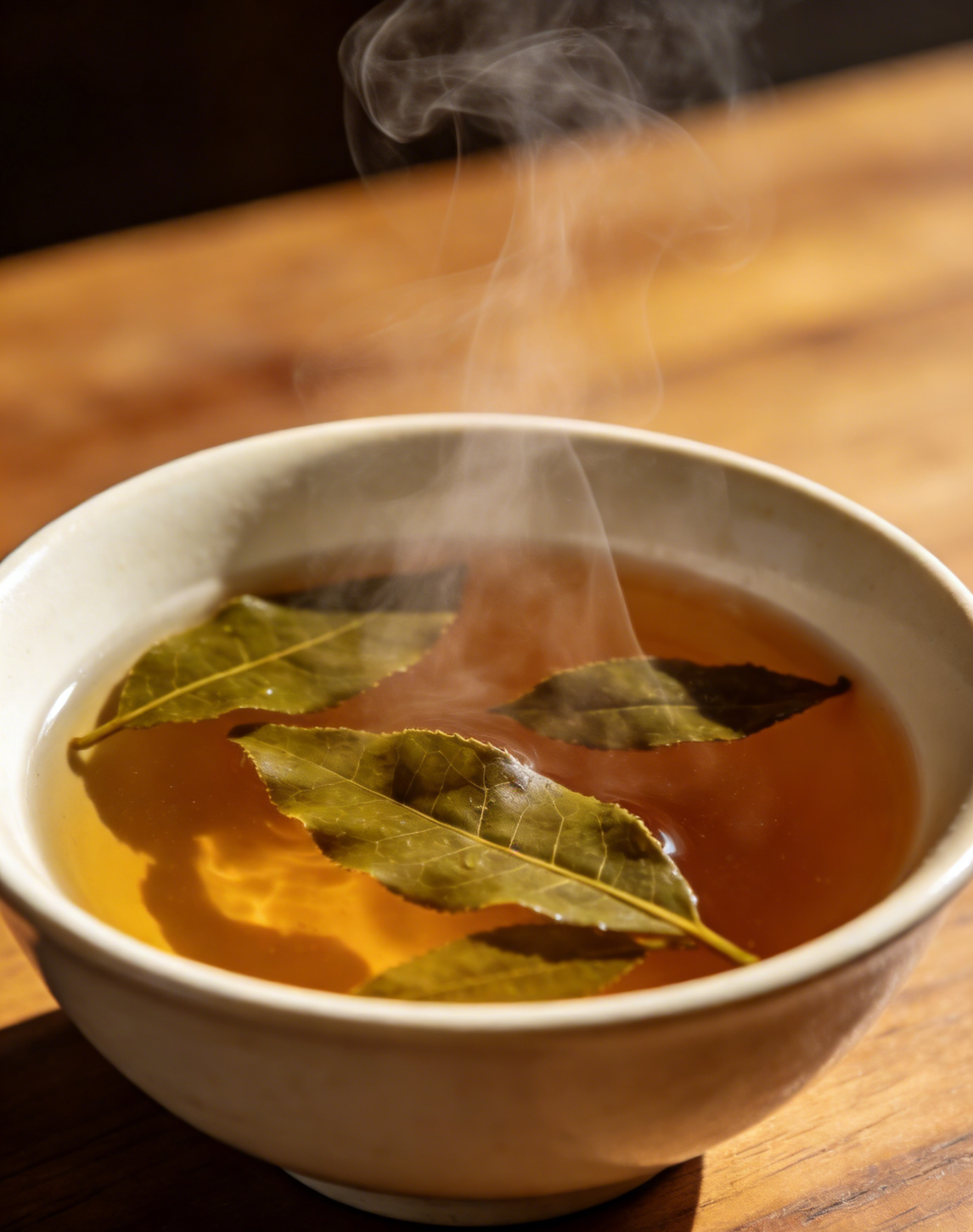
Mānuka is central to rongoā (traditional Māori healing). Every part of the tree has a purpose: leaves brewed into infusions for colds and stomach pain, bark made into poultices for wounds, and gum used to soothe skin. This ancient wisdom is now backed by modern science, which confirms its antimicrobial properties.
Everyday Use & Craft
Mānuka’s hard, durable wood was essential for traditional Māori life—used for carving tools, weapons, paddles, and building materials for pā (fortified villages). Its versatility made it one of the most respected trees in Māori culture.
Mānuka Honey: A Modern Tribute
While Māori did not harvest honey industrially traditionally, they valued Mānuka’s nectar as a gift. Today, Mānuka honey carries this cultural heritage globally, connecting the world to the same tree that nourished Māori for generations.
For Māori, Mānuka represents whakapapa (genealogy), kaitiakitanga (guardianship), and whanaungatanga (connection). It is a living reminder of the harmony between culture and nature—a treasure that endures today.