Autumn Harvest: Why Mānuka Honey Gets Richer This Season

Why Mānuka Honey Gets Richer This Season

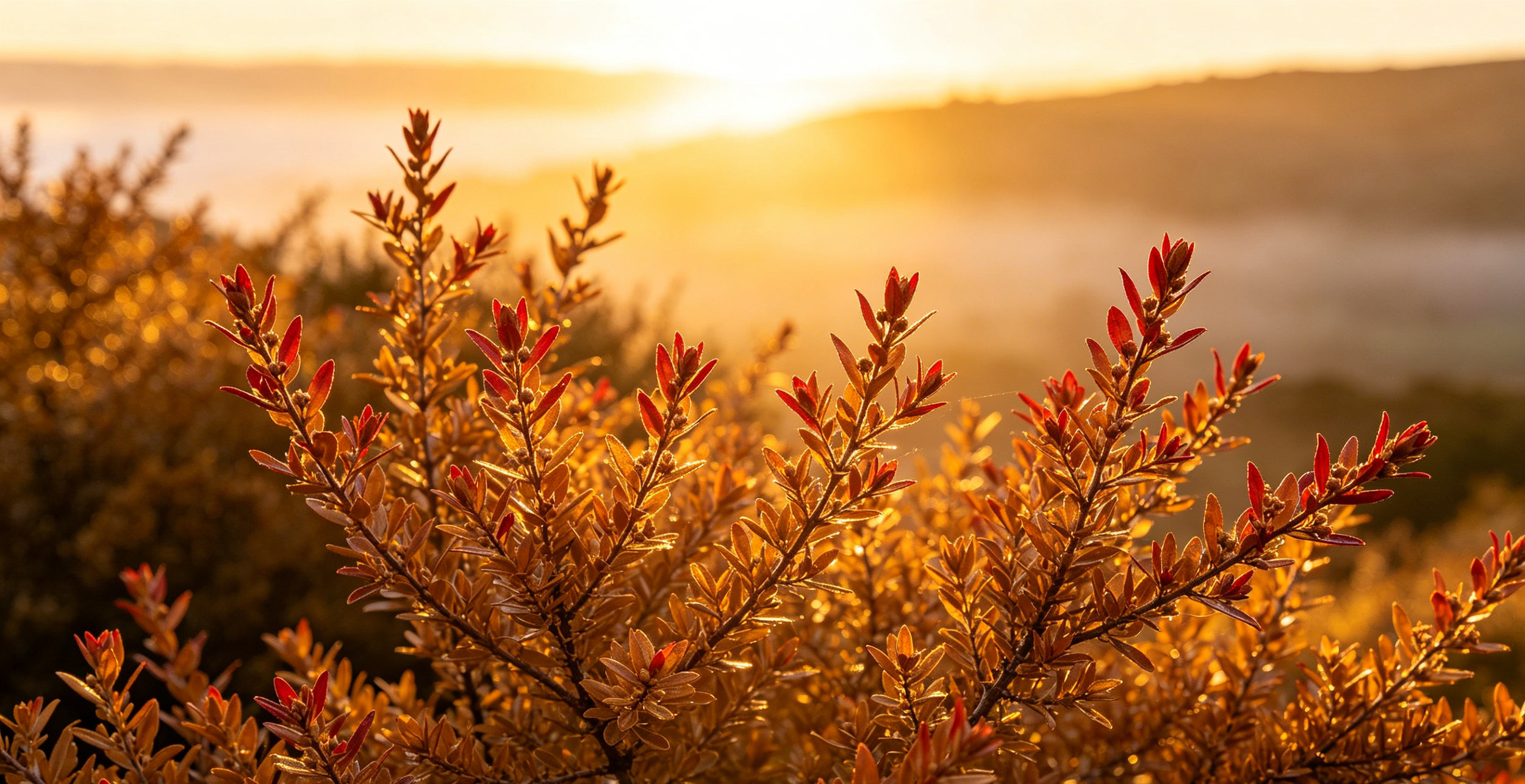
As the vibrant greens of New Zealand’s summer give way to the golden and crimson tones of autumn, something remarkable happens in the mānuka shrub (Leptospermum scoparium). While many plants slow down, the mānuka tree begins a quiet but powerful shift—one that directly affects the honey we harvest.

The Science Behind the Season

During autumn, cooler nights and shorter days trigger a natural stress response in the mānuka plant. To protect itself, the tree produces higher concentrations of secondary metabolites—including dihydroxyacetone (DHA) and methylglyoxal (MGO)—the very compounds that give mānuka honey its unique bioactivity.

Think of it as the plant’s own immune boost before winter.

Thicker, Richer, More Potent

This physiological change means that autumn-harvested mānuka honey is often:

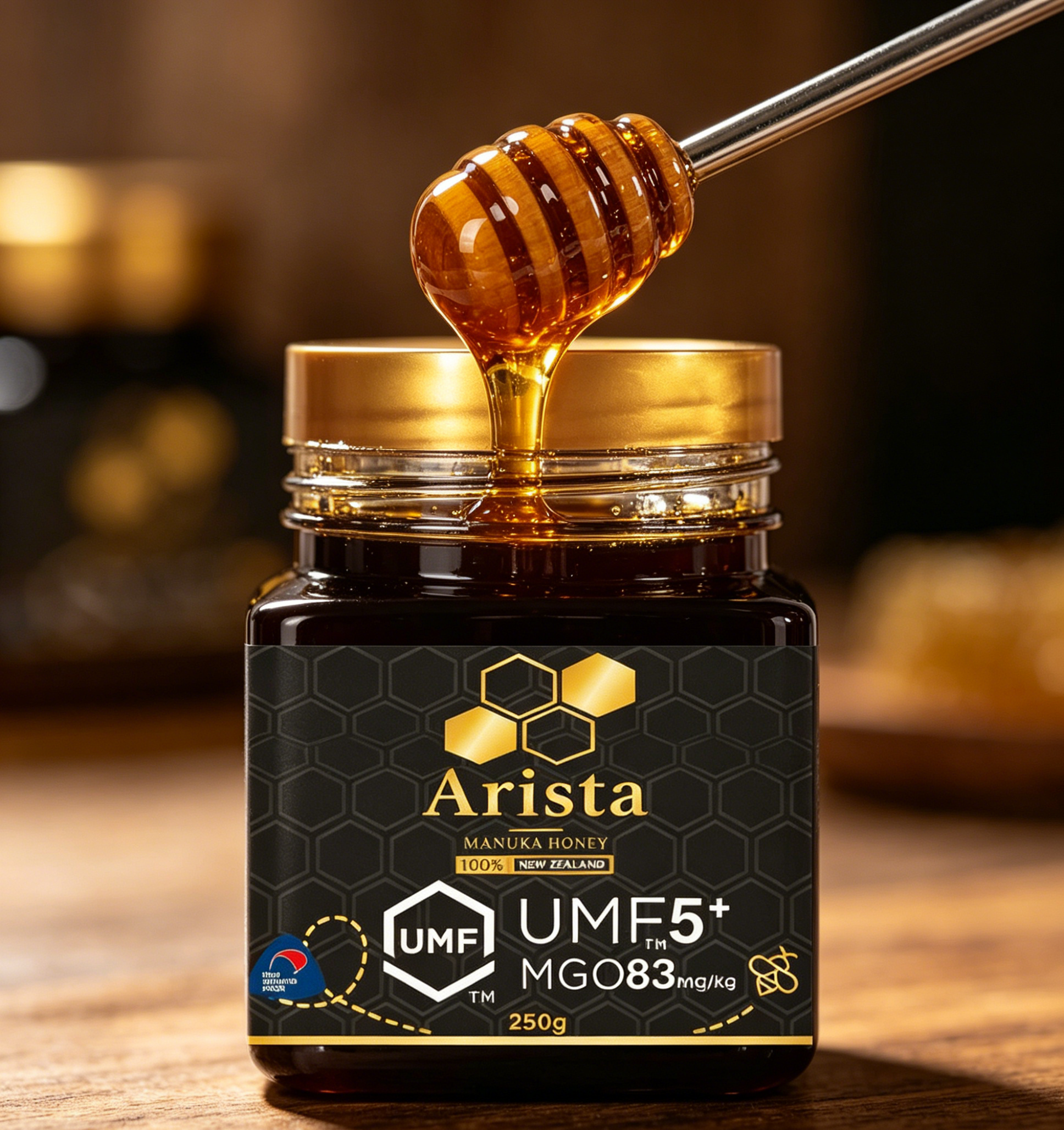
  • Thicker in texture – lower moisture content due to drier autumn air

  • Darker in colour – deeper amber or golden-brown hues

  • More intensely flavoured – earthy, herbaceous, with a longer finish on the palate

For customers who ask, “Why does this batch taste stronger?” — autumn is often the answer.

What This Means for You

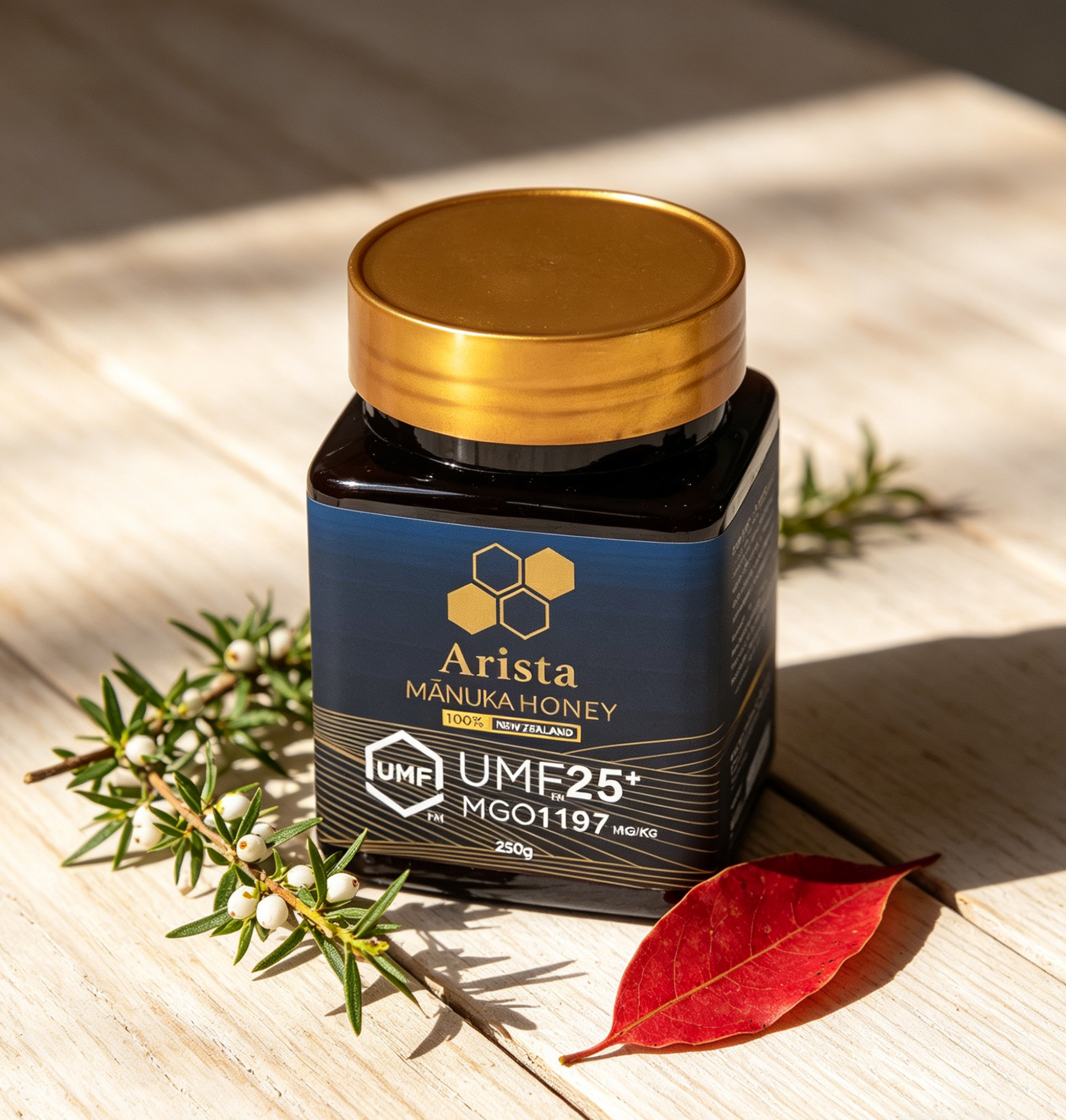
At Parakai Honey, we harvest across seasons to capture nature’s full expression. Autumn batches are especially prized by those who use mānuka honey for daily wellness, or simply enjoy a more robust, complex flavour.

Whether you stir it into warm water on a cool morning or take it straight off the spoon, autumn mānuka honey offers a taste of the season—and a little extra potency, courtesy of the mānuka tree’s quiet resilience.

From our hives to your table. Pure. Seasonal. Uncompromised.

先前
先前

5 Ways to Prep Your Immune System Before Winter with Mānuka Honey

接下来
接下来

Why Manuka Honey Is More Expensive Than Regular Honey