
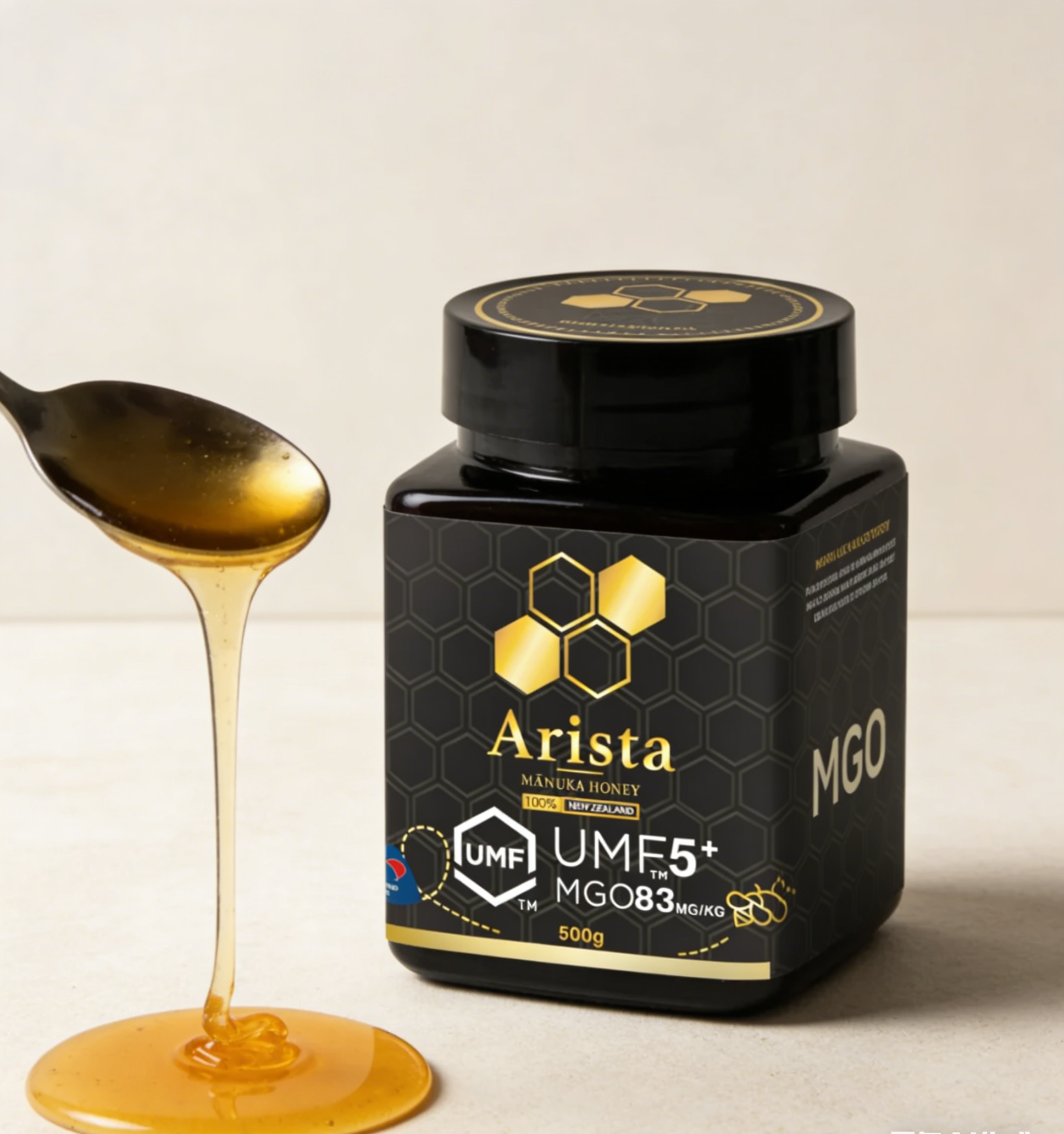
If you’ve ever shopped for Mānuka honey, you’ve likely seen the term “MGO” on the label. But what exactly is MGO, and why does it matter? At Parakai Honey, we’re here to break down this key component simply—so you can understand its role in making genuine New Zealand Mānuka honey so special.
What is MGO?
MGO stands for Methylglyoxal, a naturally occurring compound found in Mānuka honey. Unlike regular honey, Mānuka honey contains high levels of MGO, which forms when the nectar of New Zealand’s native Mānuka bush is transformed by bees and stored in the hive. It is this compound that sets Manuka honey apart from other honeys and drives its unique benefits.
The Role of MGO in Mānuka Honey
MGO is the primary compound responsible for Mānuka honey’s renowned antibacterial and antimicrobial properties. Unlike the mild antibacterial effects of regular honey, MGO works to inhibit harmful bacteria, making Mānuka honey a trusted choice for supporting oral health, soothing minor skin irritations, and promoting digestive comfort.
At Parakai Honey, we prioritize preserving MGO through minimal processing—no high heat, no additives—so every jar retains the natural potency that makes Mānuka honey beneficial.
How is MGO Measured?
MGO levels are measured in milligrams per kilogram (mg/kg), indicating how much methylglyoxal is present in each jar. Common MGO levels range from 30+ (entry-level) to 1000+ (high-potency), with higher levels meaning stronger antibacterial properties.
All Parakai, Our Mānuka honey undergoes rigorous third-party testing to verify MGO levels, ensuring our labels are accurate and you get the potency you expect. This testing is also linked to our UMF™ certification, which further confirms authenticity and quality.
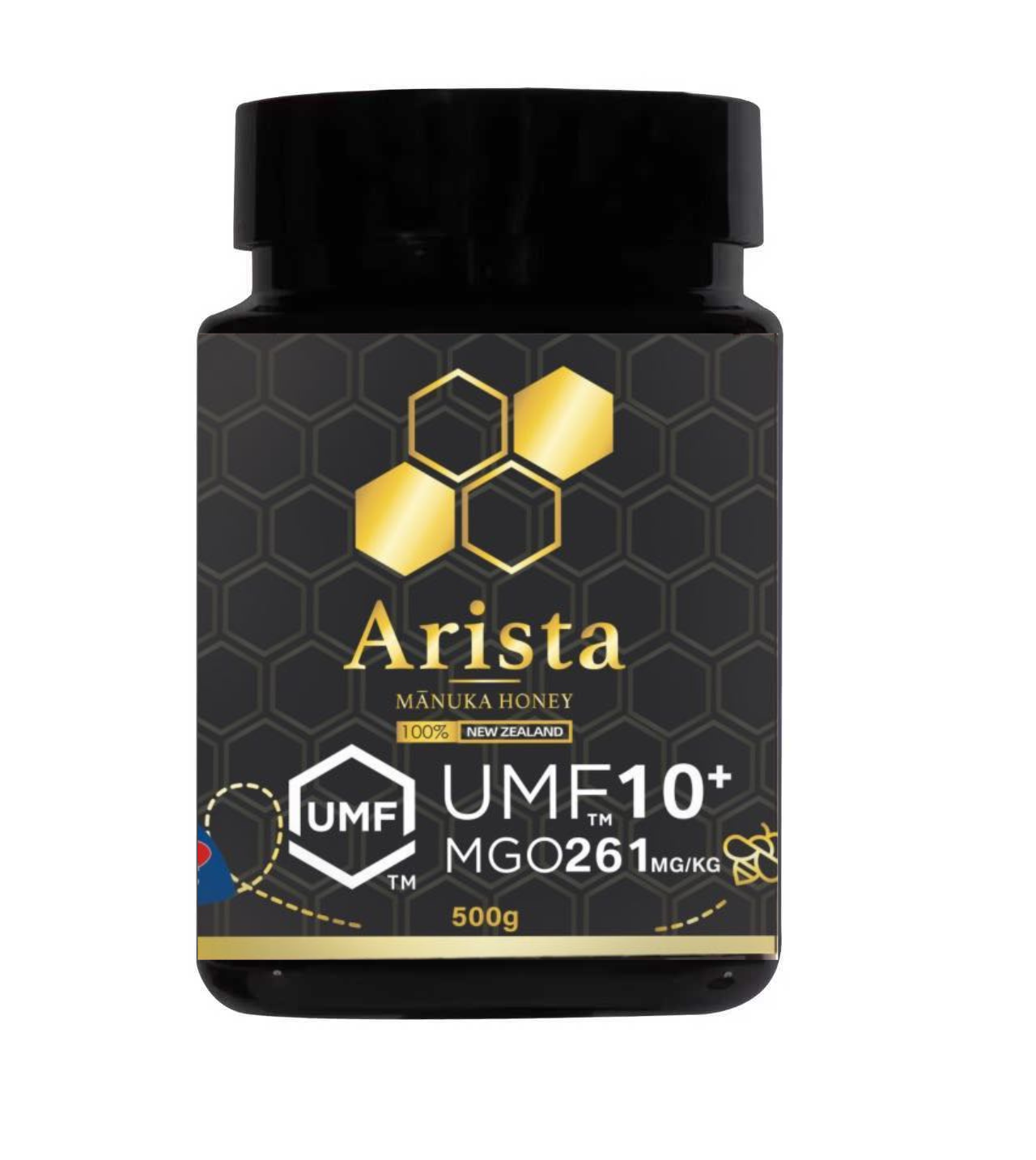
MGO & Mānuka Honey’s Potency: What You Need to Know
he MGO level directly correlates to the honey’s potency: the higher the MGO, the more powerful its antibacterial effects. For everyday use (e.g., a natural sweetener, mild digestive support), a lower MGO (30+ to 100+) works well. For targeted support (e.g., oral health, soothing minor wounds), a higher MGO (200+ or more) is ideal.
Remember: MGO is not just a number—it’s a guarantee of the natural benefits that make Mānuka honey a staple in wellness routines worldwide.
