
Why Manuka Honey Is More Expensive Than Regular Honey

Often called “liquid gold,” Mānuka honey commands a far higher price tag than conventional honey. Its premium cost stems from three non-negotiable factors: natural rarity, restricted production, and rigorous quality verification.
The Rare Mānuka Flower
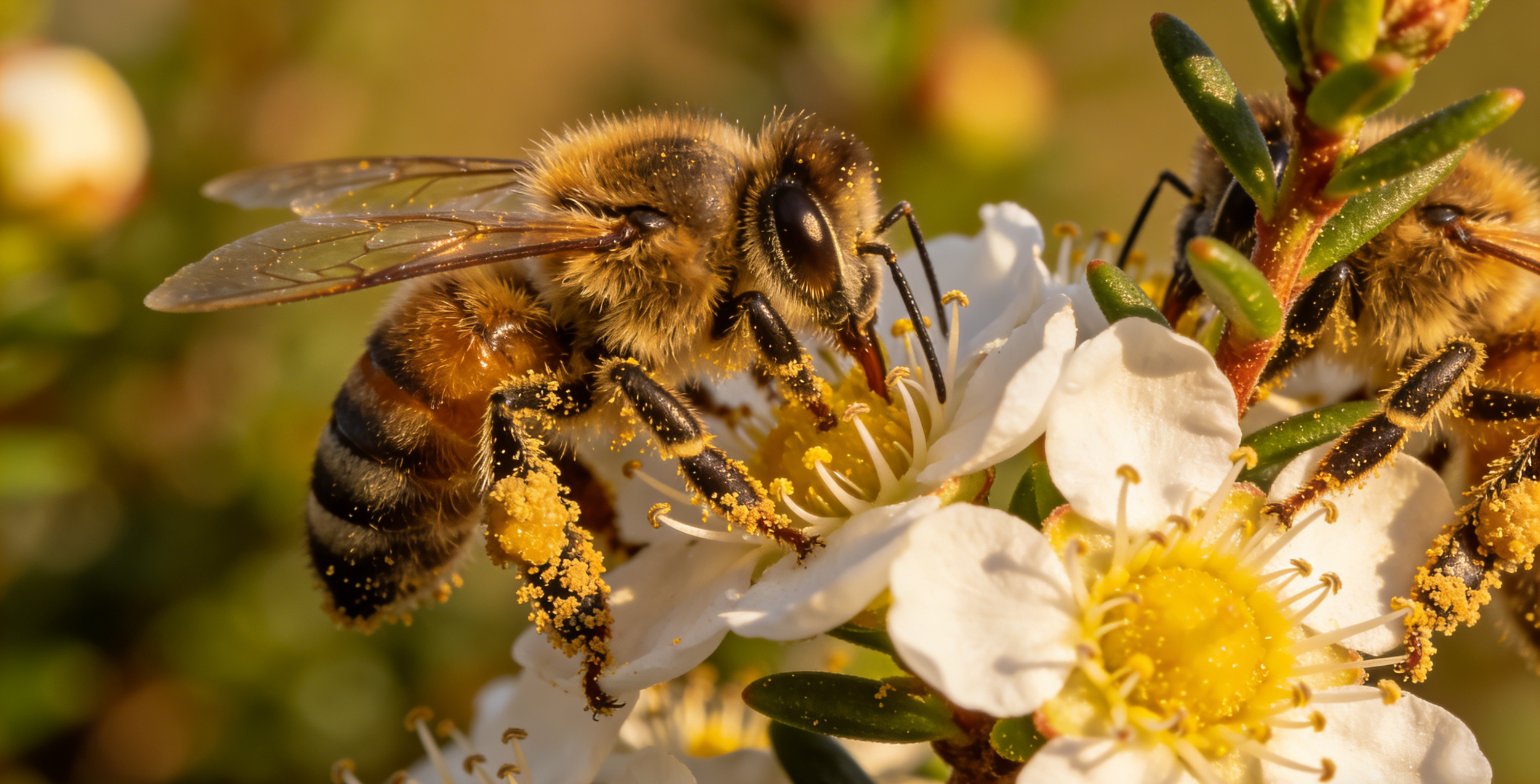
Genuine Mānuka honey comes only from the nectar of Leptospermum scoparium, a native shrub limited mainly to remote regions of New Zealand. Unlike the widespread flowering plants used for regular honey, the Mānuka bush blooms for just 2–6 weeks each year. Poor weather during this narrow window can wipe out an entire harvest, creating inherent scarcity that regular honey never faces.
Limited, Labor-Intensive Production
Yields are naturally low, as bees can only forage Mānuka nectar in rugged, hard-to-reach landscapes. Beekeepers face higher logistics costs to place and maintain hives in these areas. Global demand far outpaces this fixed, climate-sensitive supply, pushing prices upward far beyond mass-produced honey.
Strict Certification & Quality Testing
Authentic Mānuka honey requires independent lab testing to verify key bioactive markers such as MGO and UMF. Producers must comply with strict regulatory standards to prove purity, potency, and origin. Many batches fail certification and are reclassified as regular honey, adding costly waste and quality assurance steps that do not apply to ordinary honey.
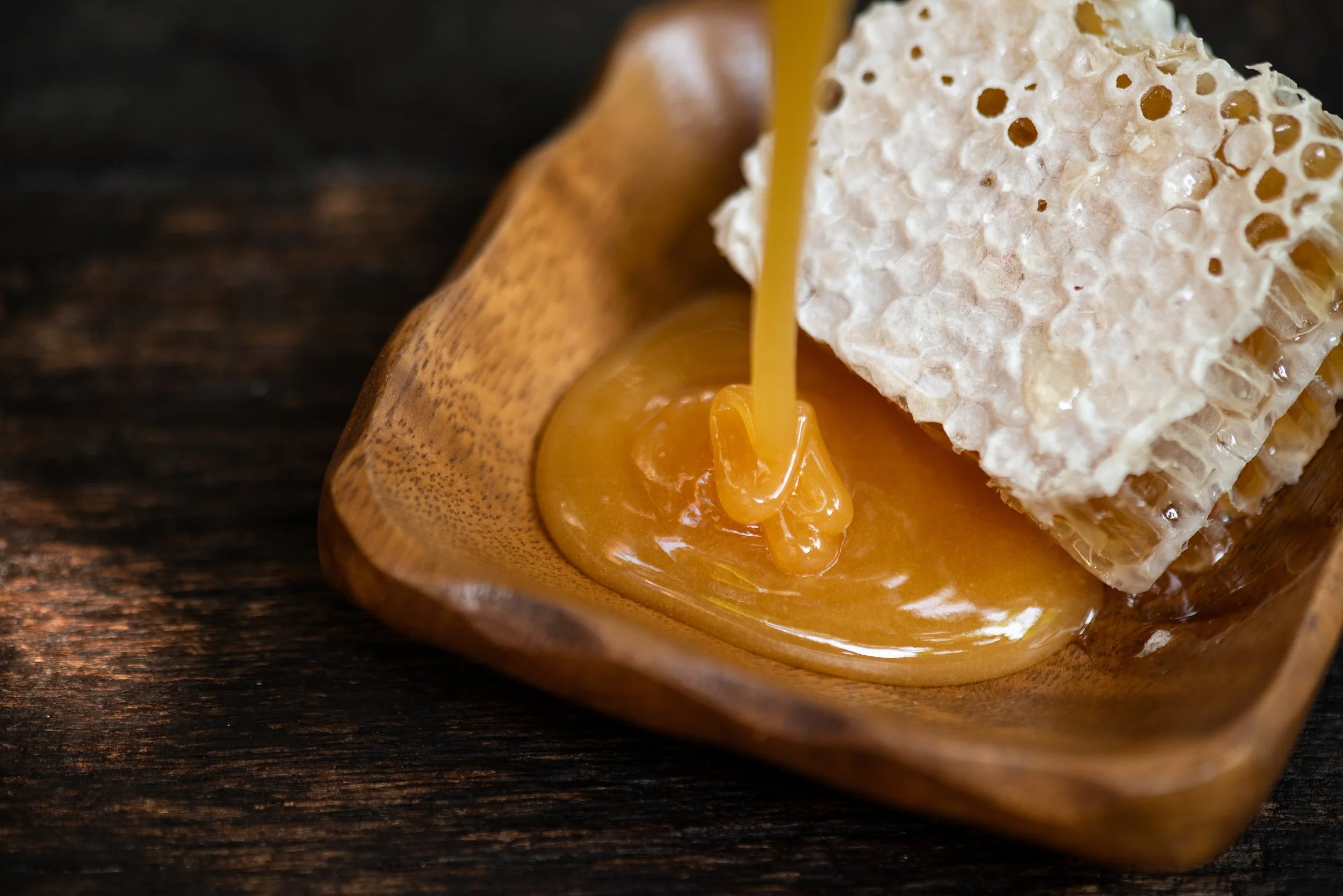
The higher price of Mānuka honey reflects its unique scarcity, challenging production, and strict quality controls—not just branding. For consumers, the cost mirrors a rare, traceable, and bioactive superfood that regular honey simply cannot match.
